
Enclosed freight
Reefer factoring
Lumper fees come out of your pocket today and come back weeks later. Factor the invoice and stop financing someone else's warehouse.
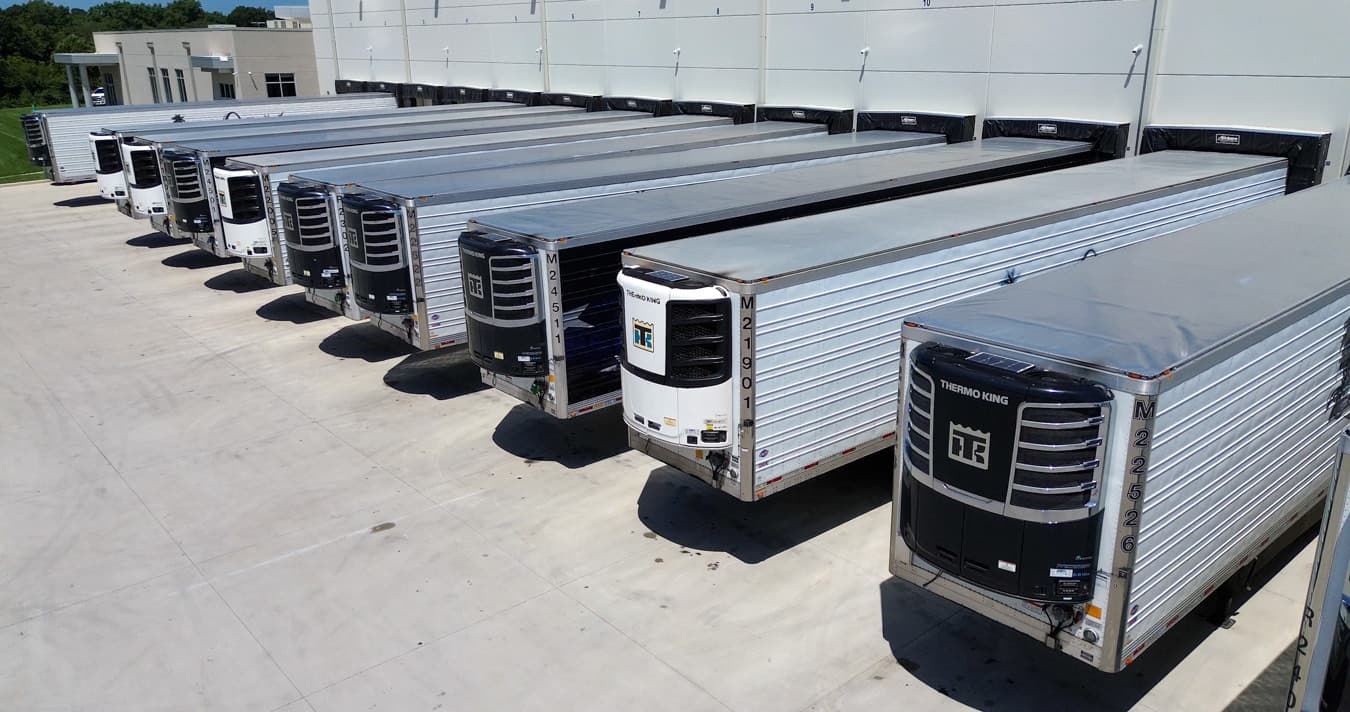
Produce is seasonal and lanes shift with the growing regions. There is no minimum volume, no monthly commitment, and no fee for a slow stretch between seasons.
The cash cycle
Why reefer freight waits.
Reefer carriers have a cash flow problem no other trailer type has in the same form: the lumper fee. You arrive at a grocery warehouse, you pay a third party to unload your trailer, and that money leaves your account immediately. It is reimbursable, it is legitimate, and it comes back on the invoice weeks later. In the meantime a carrier running produce into major receivers can be floating a serious amount of somebody else's unloading costs at any given moment.
Add the second reefer-specific problem, which is disputes. Temperature claims, rejected loads, and quality arguments at the receiver are a normal feature of perishable freight, and every one of them is a reason for an invoice to sit while somebody sorts it out. Fuel does not wait for that conversation.
Factoring addresses both. The invoice, lumper reimbursement included, funds the same day (when it's in by 11 AM CST) rather than at the end of the payment cycle, and the collection follow-up is handled by people whose job that is. Send the lumper receipt with the load documents and it funds with everything else.
What rides in it
- Produce and fresh perishables
- Frozen and refrigerated foods
- Dairy, meat, and poultry
- Pharmaceuticals and temperature-controlled goods
- Beverages and controlled ambient freight
Who pays the invoice
Grocery distributors, food processors, produce shippers and receivers, cold storage warehouses, and produce brokers.
This is what actually gets underwritten. Approval depends on your customer’s credit, not on your operating history.
Paperwork
What to send with the load.
Send all the paperwork related to the load. What that includes depends on the customer; these are the most common. Upload it all to the Smart Freight Portal.
Rate confirmation
The agreement with the broker or shipper, showing the load and the agreed rate.
Scale tickets
The weights, on any load that is weighed or paid by weight.
Bill of lading
Signed at delivery. It is the proof the load moved.
Not sure what a customer needs? Call and ask before you haul it.
How it works
Haul it, send it, get paid.
- 01Monday, 9:40 AM
Haul the load
Book it wherever you book freight. You choose which customers you factor, customer by customer. Nothing obligates you to send us all of them.
- 02Monday, 10:15 AM
Send the paperwork
Upload all the paperwork for the load to the Smart Freight Portal: usually the rate confirmation, scale tickets and bill of lading.
- 03Monday afternoon
Get paid the same day
Loads submitted by 11 AM CST, Monday through Friday, are paid the same day. Loads submitted after 11 AM are paid the next business day. The money lands in your bank by ACH.
Questions
Reefer factoring, answered.
Can lumper fees be factored?
Yes, when the rate confirmation allows reimbursement and you send the receipt. It funds with the invoice, the same day when it's in by 11 AM CST, instead of coming back to you weeks later, which for a produce carrier is often the largest single cash flow improvement factoring makes.
What happens if the receiver disputes the load?
Talk to us as soon as you know. A disputed invoice is handled case by case and how it is resolved depends on the terms of your account, which is why the account terms are confirmed in writing before you factor your first load rather than being left to a website to summarize.
Get your reefer invoices paid the same day.
The application takes a few minutes and commits you to nothing. No contract, no minimum, no monthly commitment.